
Deuteronomy – דְּבָרִים
Where Did Moses Go?
Tomorrow’s ‘Parashah’ (weekly Torah portion) is ‘Va-Yelech’ {וילך} (Hebrew for ’Then He Went’). This is the ninth ‘Parashah’ in the

When You Go Out to War – War Against Who?
Today’s ‘Parashah’ (weekly Torah portion) is ‘Ki Tetze’ {כי תצא} (Hebrew for ‘when you go out’). This is the sixth
What’s the Hebrew meaning of ‘Keshe Oref?’
We all know the famous term ‘stiff-necked’ – the idiomatic phrase to describe someone who is stubborn, but what are
What is the Hebrew term for ‘Cities of Refuge?’
The issue of ‘cities of refuge’ appears in the weekly Torah portion: “Then Moses set apart three cities in the
What is the Hebrew connection between first fruits and the story of the Israelites in Egypt?
When the Book of Deuteronomy speaks about the ceremony of the first fruits, there is brief record of the history
What does ‘a possession for the assembly of Jacob’ mean?
In Moses’ final blessing on Israel, one can find the following words: “When Moses commanded us a law, as a
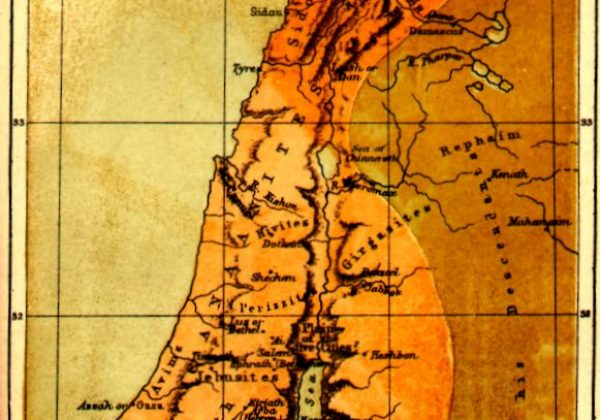
Welcome to the Land of Israel!
Tomorrow’s ‘Parashah’ (weekly Torah portion) is ‘Ki Tavo’ {כי תבוא} (Hebrew for ‘when you come’). This is the seventh ‘Parashah’
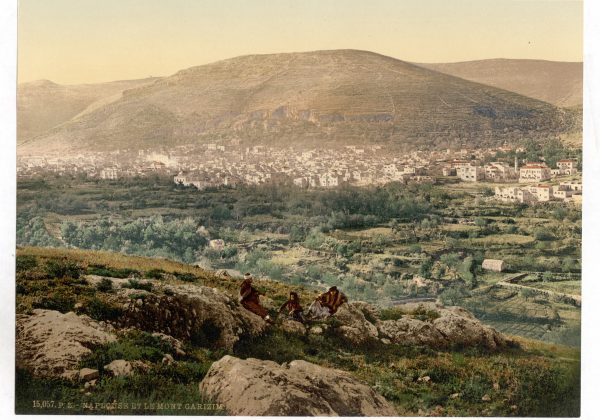
The Power of One
Tomorrow’s ‘Parashah’ (weekly Torah portion) is ‘Re’eh’ (Hebrew for ‘see’). This is the fourth ‘Parashah’ in the Book of Deuteronomy
The Hebrew Way to Distinguish Smart and Clever
One of the main issues of the weekly Torah portion is law and justice. In fact, the motif of justice
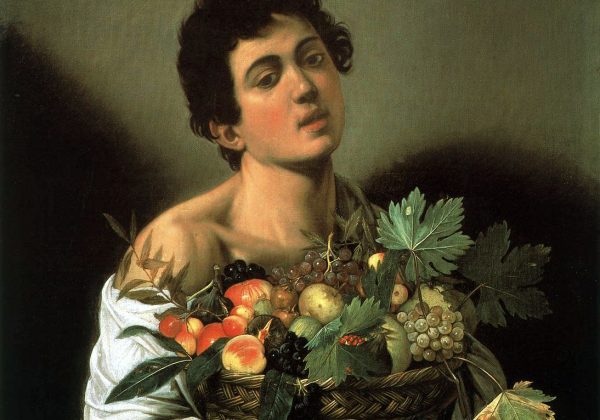
The Hebrew Sign for ‘Firstborn’: A Double Portion
The weekly Torah portion describes the inheritance rights of the firstborn: “If a man has two wives, the one loved
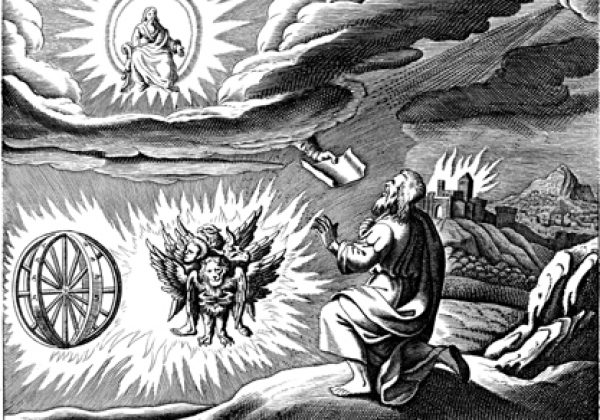
The Hebrew Meaning of the Word ‘Prophet’
Chapter 13 of the Book of Deuteronomy opens with the following words: “If a prophet or a dreamer of dreams
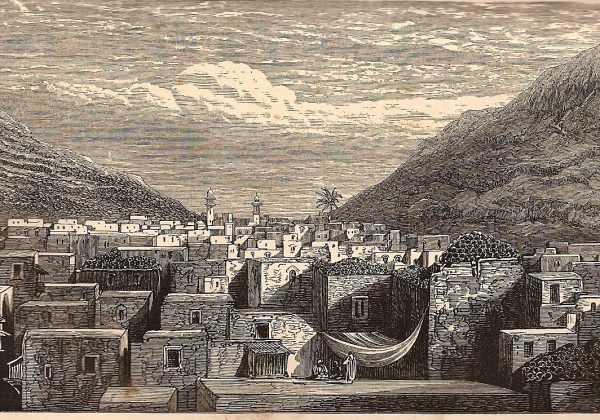
The Hebrew Meaning of the Biblical City of Shechem
Today we will talk a bit about the geography of the Holy Land, as can be found in our weekly
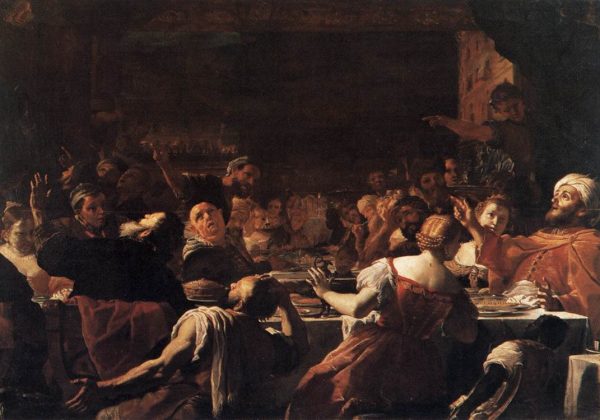
The Hebrew Meaning of ‘Taking the Wrong Path’
Yesterday we mentioned Chapter 13 of the Book of Deuteronomy. This chapter is the origin of the Hebrew figure of
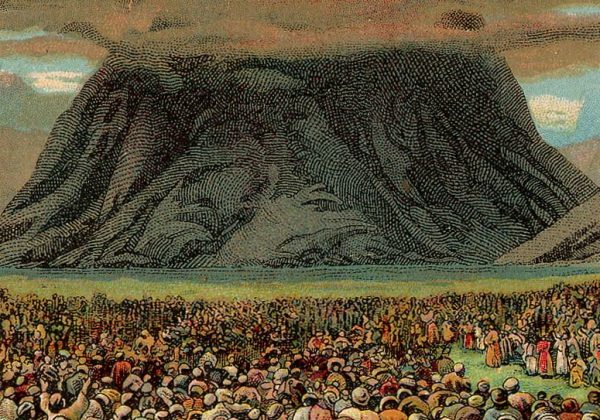
The Deeper Hebrew Meaning of Standing Before God
Tomorrow’s ‘Parashah’ {פרשה} (weekly Torah portion) is ‘Nitzavim’ {ניצבים} (Hebrew for ‘are standing’). This is the eighth ‘Parashah’ in the

The Creation of a New Hebrew Word
At the end of Chapter 51 in the Book of Isaiah the following words appear: “Thus says your Lord, the
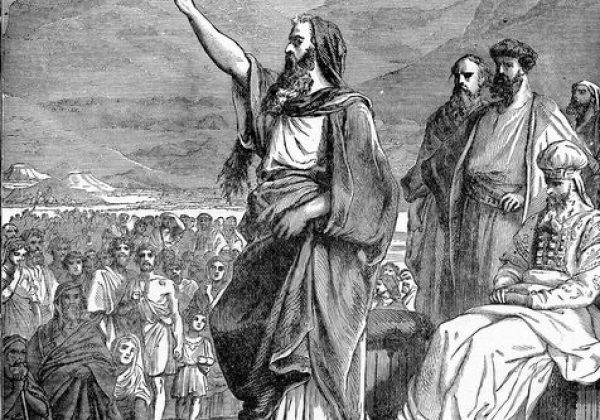
The Concept of ‘Speaking’ and the Book of Deuteronomy
Tomorrow’s ‘Parashah’ (weekly Torah portion) is ‘Devarim’ (Hebrew for ‘words’). This is the first ‘Parashah’ in the Book of Deuteronomy
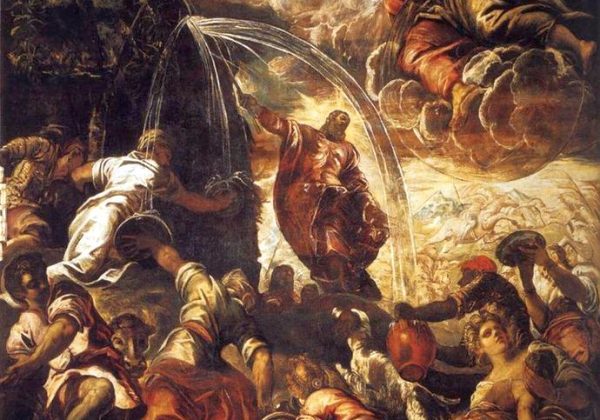
Taking Initiative: Hebrew Style
When Moses gave his speech to Israel before they entered the Promised Land the Bible tells us the following: “Beyond
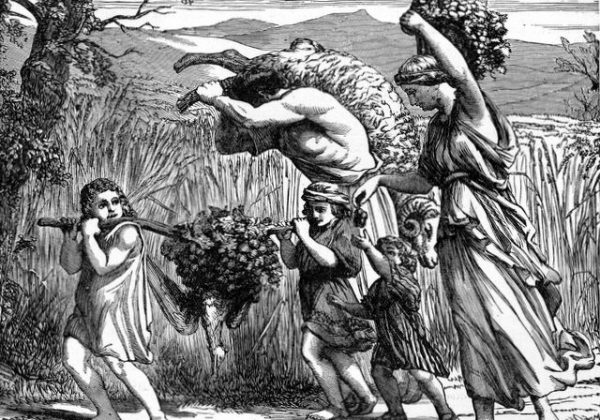
Revealing the Hebrew Meanings of the Seven Species of the Land of Israel
The famous Seven Species that the Land of Israel was blessed with perpetually are mentioned in our weekly Torah portion: “For
Rephaim , Emim and Zamzummim : The Hebrew meaning of the mysterious ancient nation of giants
Yesterday we talked about the ancient nation of giants – the Rephaim (רפאים). The discussion about the Rephaim opens a window
Overtaken by a blessing – what does it mean?
“And if you faithfully obey the voice of the LORD your God, being careful to do all his commandments
Moses’ teaching and Moses’ seat in the synagogue
Even though the Hebrew meaning of the word ‘Torah’ is ‘teaching,’ the Hebrew verb for ‘teaching’ (‘Melamed’ ‘מלמד’) will make its
Moses’ Plea
Tomorrow’s ‘Parashah’ (weekly Torah portion) is ‘Va-Etchanan’ {ואתחנן} (Hebrew for ‘and I pleaded’). This is the second ‘Parashah’ in the
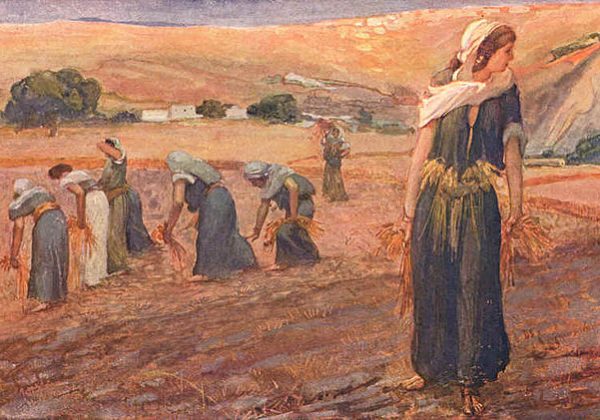
Isaiah’s Creative Hebrew
This week’s ‘Haftarah’ – weekly prophet’s portion – is found in the Book of Isaiah, chapter 54 and speaks about
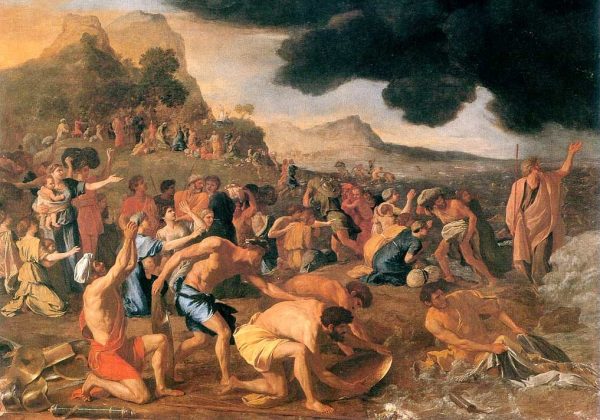
Iron Furnace
In the weekly Torah portion, we can find the following interesting phrase: “But the LORD has taken you and brought
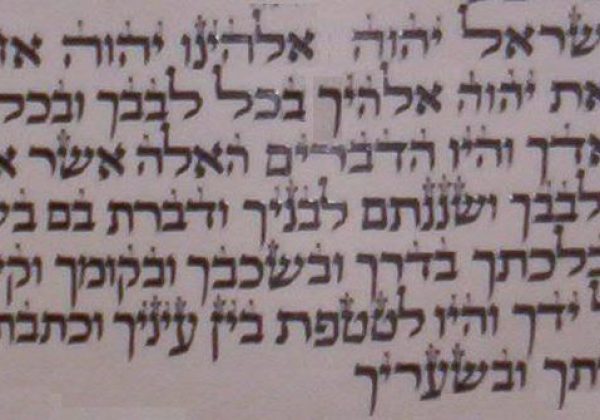
Hidden Hebrew Letter Treasures in “Shema Yisrael!”
One of the most important and well-known Hebrew prayers is Shema Yisrael {שמע ישראל} ( Hear, O Israel ). This
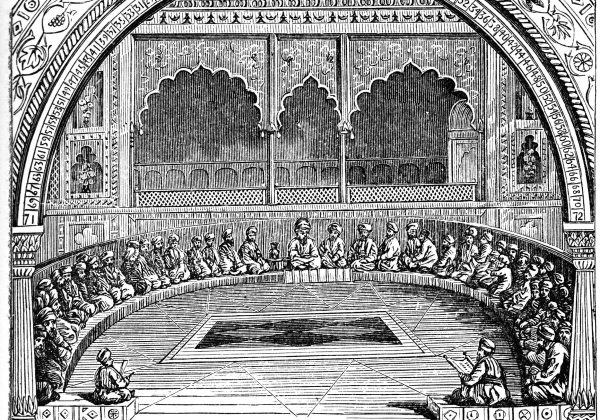
Hebrew Etymology Study
Our weekly Torah portion (‘Shofetim’) opens with the following verse: “You shall appoint judges and officers in all your towns
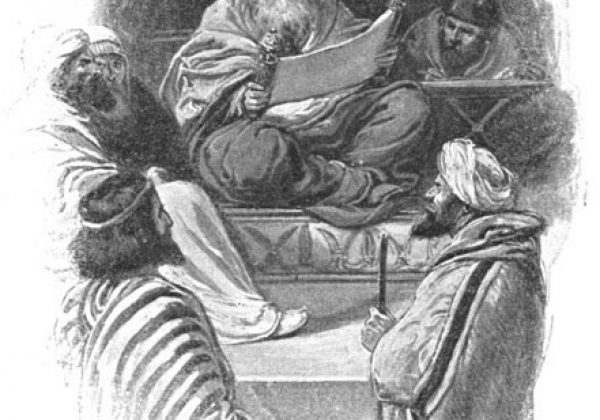
God’s Declaration: A Study of the Hebrew Verb System
Today we will talk a bit about the structure of the Hebrew verb system in order to better understand the
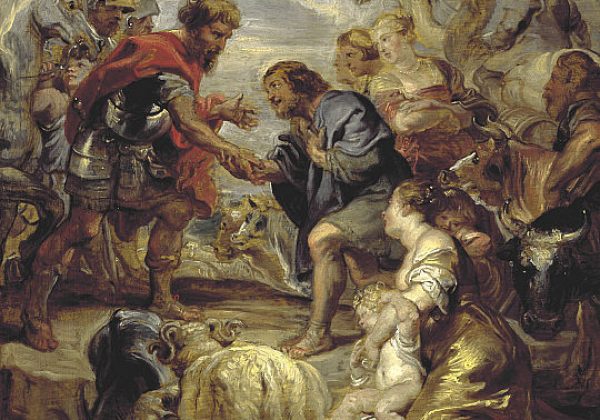
Footprints and Jacob: Hebrew Connections
Tomorrow’s ‘Parashah’ (weekly Torah portion) is ‘Ekev’ (Hebrew for ‘follow’). This is the third ‘Parashah’ in the Book of Deuteronomy and can be
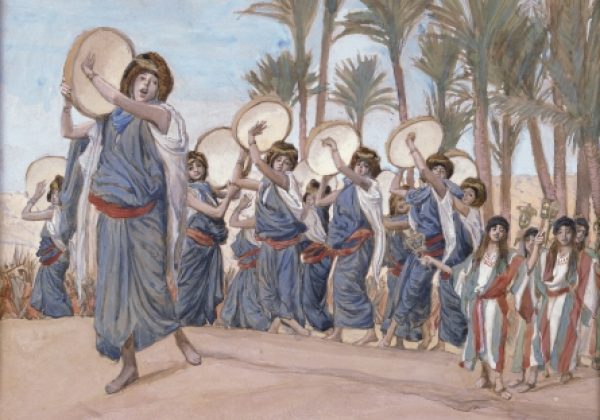
Deeper Hebrew Meanings in the Song of Moses
Tomorrow’s ‘Parashah’ {פרשה} (weekly Torah portion) is ‘Ha’azinu’ {האזינו} (Hebrew for ‘listen’). This is the tenth ‘Parashah’ in the Book
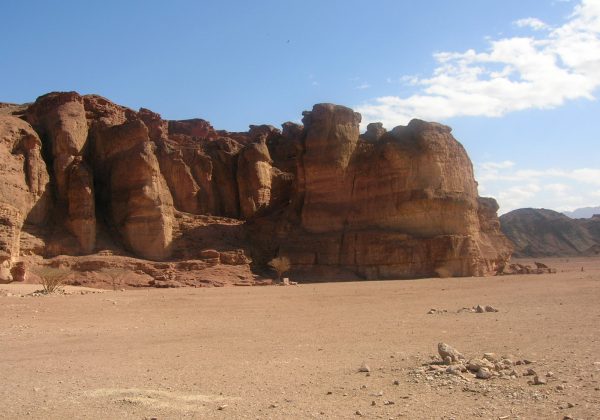
Copper Excavations and Hebrew Word Explorations
“A land whose stones are iron, and out of whose hills you can dig copper.” (Deuteronomy 8:9) The original Hebrew
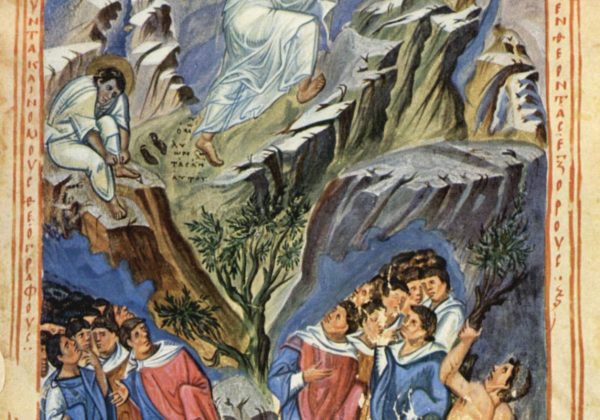
Carved in Stone: Origins of a Hebrew Term
Yesterday we mentioned the following verse from the opening of the Book of Deuteronomy: “Beyond the Jordan, in the land of
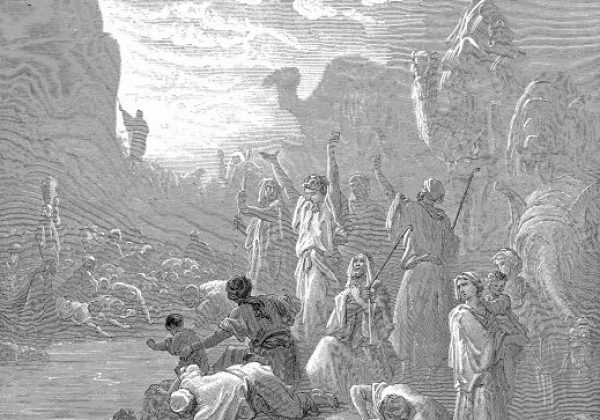
A Tiny Hebrew Preposition Hides a Deeper Meaning
After the Bible tells us about the new Tablets of Stones with God’s Commandments Moses has made, an interesting verse
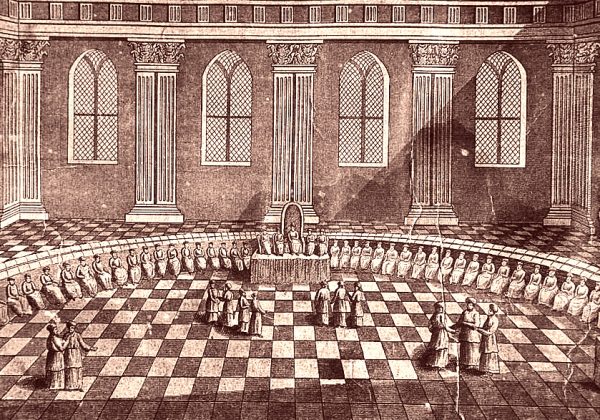
A Soccer Referee and a High Court Judge Demonstrate Hebrew Logic
Tomorrow’s ‘Parashah’ {פרשה}(weekly Torah portion) is ‘Shofetim’ {שופטים} (Hebrew for ‘Judges’). This is the fifth ‘Parashah’ in the Book of
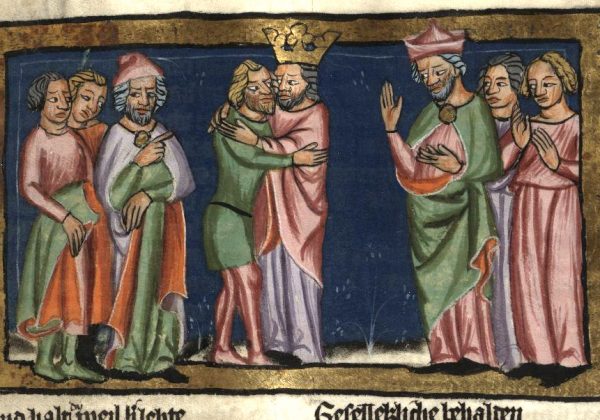
A Rebellious Son: The Deeper Hebrew Meaning
Yesterday we talked about the inheritance rights of the firstborn. Today we will continue with next issue concerning having a
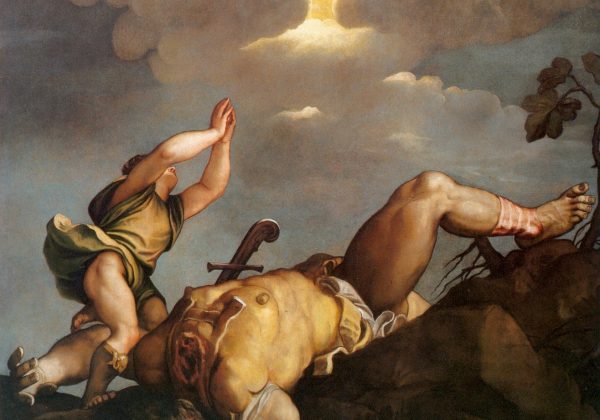
A nation of giants – who were the Rephaim?
Today we will discuss an ancient biblical people who were known as the ‘Rephaim’ and were mentioned in Moses’ speech
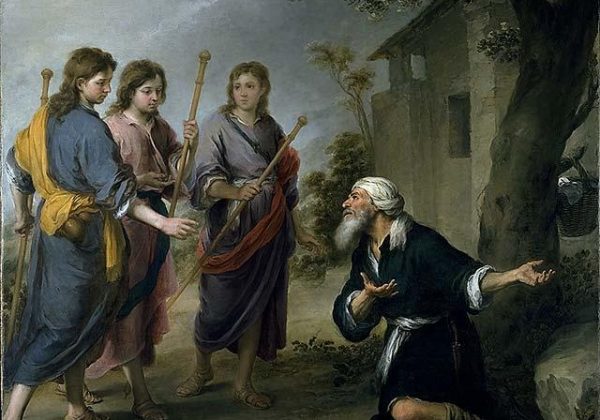
A lesson in Biblical Hebrew syntax: Who was the mysterious Aramean?
In yesterday’s post we discussed the connection between ‘first fruits’ and the story of the Israelites in Egypt. We mentioned