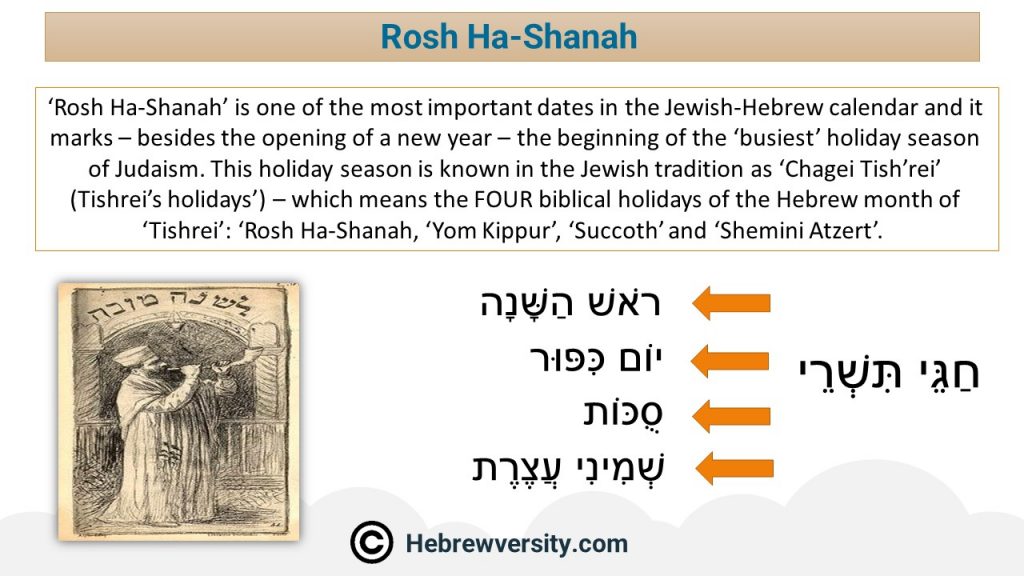
Rosh Ha-Shanah, meaning “Head of the Year,” begins the Jewish calendar. Jews observe it on the first and second days of Tishrei, the seventh Hebrew month. It also marks the start of the Aseret Yemei Teshuvah—the Ten Days of Repentance—that lead to Yom Kippur, the Day of Atonement.
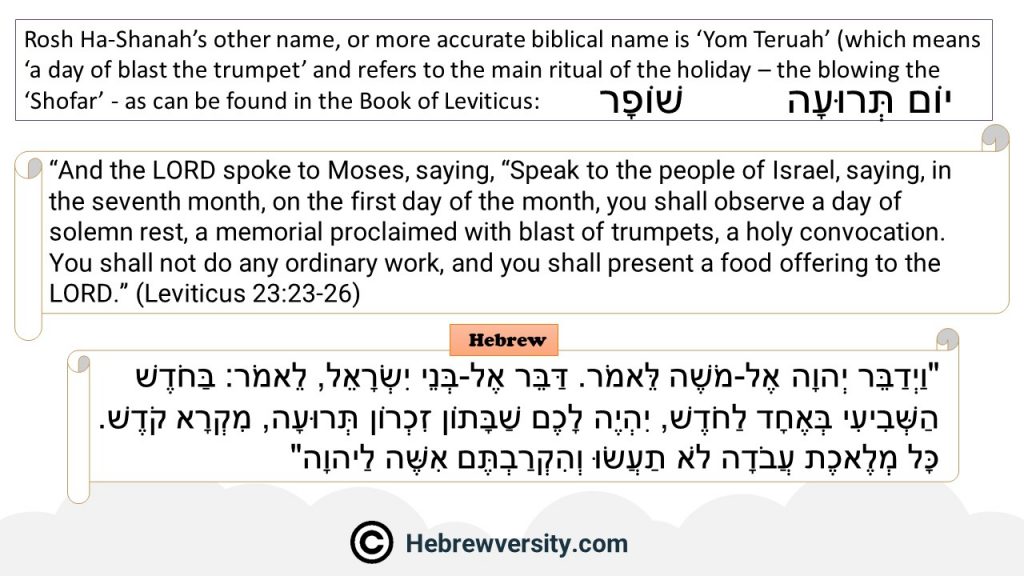
The shofar, a ram’s horn, sounds in synagogues worldwide. Its blasts urge people to awaken their souls and embrace change. Traditionally, it is blown 100 times, serving as a spiritual call for introspection.
Another tradition, Tashlich, involves casting away sins into a body of water. Many toss breadcrumbs, symbolizing a fresh start.
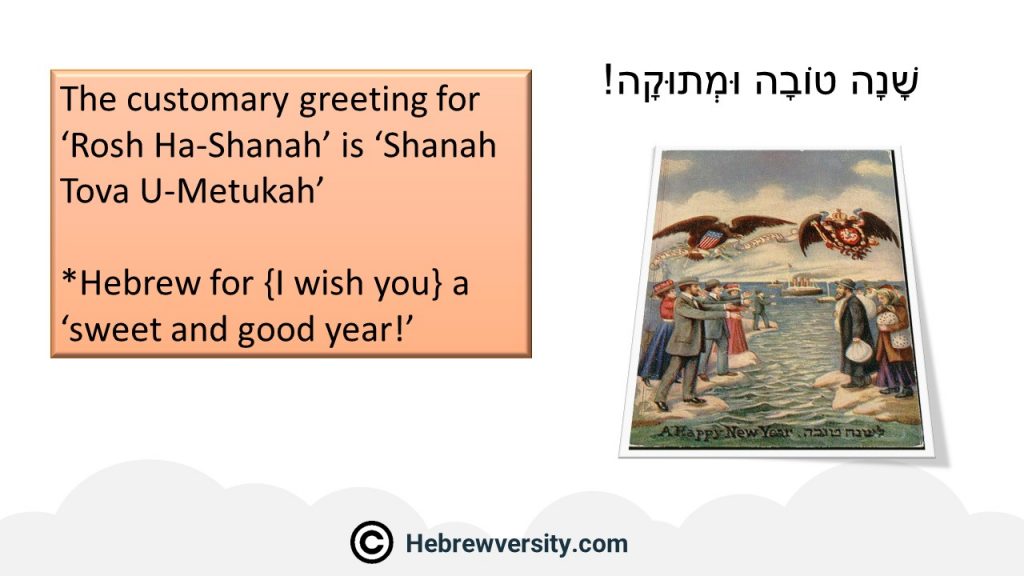
Food carries deep meaning during the holiday. Jews greet each other with “Shanah Tovah U’Metukah”—wishing for a good and sweet year. To reinforce this, they eat apples dipped in honey, hoping for joy and prosperity. Pomegranates, rich in seeds, represent an abundance of good deeds.
Rosh Ha-Shanah is more than a new year—it is a spiritual milestone. It calls for self-reflection, renewal, and preparation for the year ahead with a heart open to growth.