10 Essential Hebrew Words from Sukkot That Celebrate Joy, Nature, and Togetherness
Sukkot is the Festival of Booths – a joyful holiday that connects us to nature, history, and community. Its Hebrew vocabulary reflects themes of shelter, harvest, and divine protection. Each word carries spiritual and cultural depth. Here are 10 key Hebrew words that define the language of Sukkot:
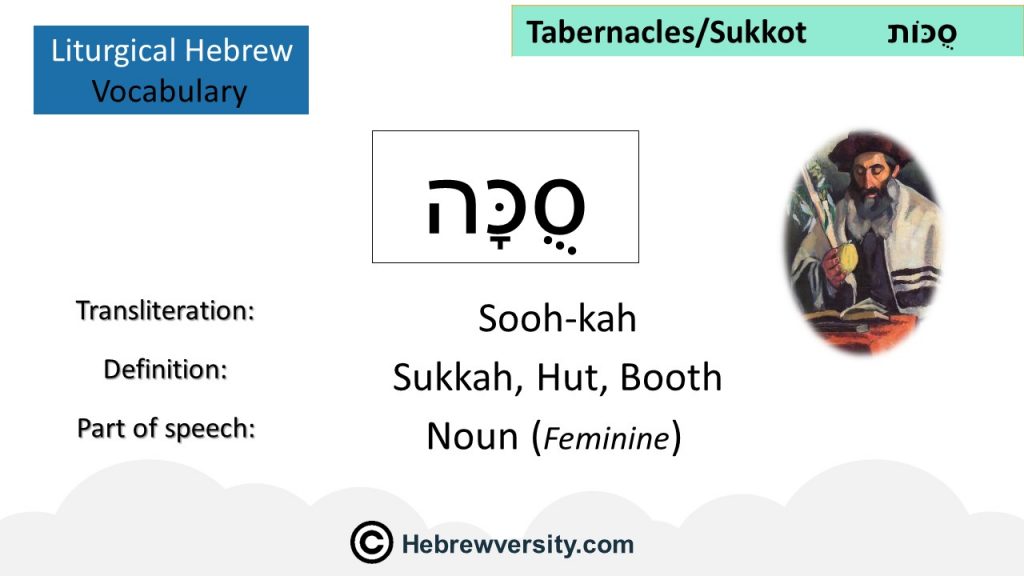
סֻכָּה (sukkah) – “Booth” or “Hut”
A temporary structure built for the holiday, reminding us of the dwellings in the desert after the Exodus.
אַרְבַּעַת הַמִּינִים (arba’at ha-minim) – “Four species”
Lulav (palm), etrog (citron), hadas (myrtle), and aravah (willow) – waved together in a ritual of unity and blessing.
לוּלָב (lulav) – “Palm branch”
One of the four species, representing the spine and action. Held and waved during prayers.
אֶתְרוֹג (etrog) – “Citron”
A fragrant fruit symbolizing the heart. Chosen carefully for beauty and completeness.
שִׂמְחָה (simchah) – “Joy”
Sukkot is called Z’man Simchateinu – “the time of our joy.” Happiness is a mitzvah during this holiday.
אֻשְׁפִּיזִין (ushpizin) – “Guests”
Mystical guests invited into the sukkah each night – Abraham, Isaac, Jacob, and others. Also a symbol of hospitality.
חַג הַסֻּכּוֹת (chag ha-sukkot) – “Festival of Sukkot”
The full name of the holiday, celebrated for seven days in Israel (eight outside).
קִישּׁוּט (kishut) – “Decoration”
Sukkot is known for its colorful decorations inside the sukkah, expressing beauty and joy.
אָסִיף (asif) – “Gathering”
Sukkot is a harvest festival, celebrating the gathering of crops and gratitude for abundance.
סְכָךְ (schach) – “Roof covering”
Made from natural materials like palm branches, the schach provides shade and connects us to the outdoors.
These words are more than vocabulary – they’re windows into the meaning of Sukkot. Learning them brings you closer to the joy, symbolism, and spiritual richness of the holiday.